More Than Just Ancient Clothing
Chinese Hanfu (汉服) is far more than a fashion style — it is the collective name for the traditional attire of the Han Chinese people. With thousands of years of continuous development, Hanfu represents Chinese civilisation’s artistry and values. Known historically as the dress of a “Country of Etiquette and Silk,” it showcases masterful techniques in weaving, dyeing, and embroidery while preserving cultural memory.
Ancient Roots of Hanfu
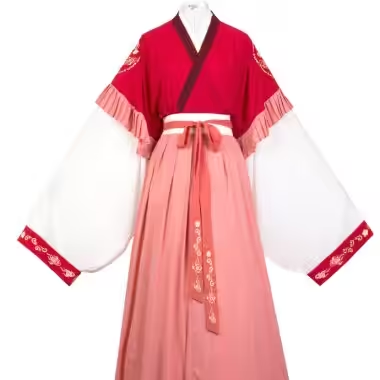
The story of Hanfu begins with early legends of the Yellow Emperor and his wife Leizu, credited with discovering silk. Archaeological discoveries — spinning wheels, bone needles, silk remnants — prove that Chinese textile craftsmanship started 7,000–8,000 years ago. By the Xia, Shang, and Zhou dynasties, the iconic upper garment and lower skirt (上衣下裳 shang yi xia chang) had formed. Distinctive features such as the cross-collar (交领 jiaoling), right-over-left closure (右衽 youren), and tied waist sash were already present, creating a foundation that defined Hanfu clothing.
Ceremonial & Social Meaning
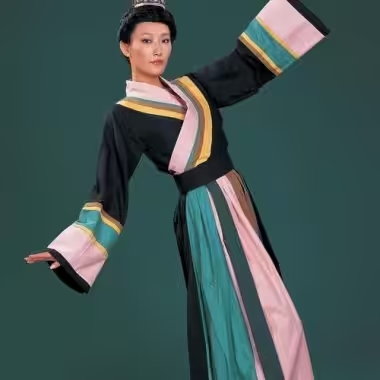
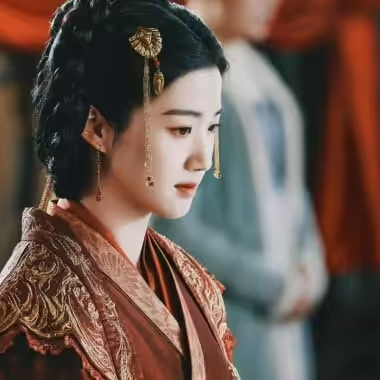
In the Zhou dynasty, Hanfu evolved beyond daily wear and became an expression of rank and ritual. Grand ceremonial robes (礼服), deep robes (深衣 shenyi), and elaborate dresses for women marked social class and respect for etiquette. The Qin dynasty unified clothing standards, favouring black as a symbol of imperial authority, while the Han dynasty reached new artistic heights. Refined silk robes, wide sleeves, and layered collars flourished, giving Hanfu its cultural weight and elegance.
Cultural Exchange & Flourish
Over centuries, China’s contact with other cultures enriched Hanfu. The Wei and Jin periods embraced free-flowing robes that reflected a love for nature and philosophy. Practical pieces like trousers and sleeveless vests emerged under northern nomadic influence.
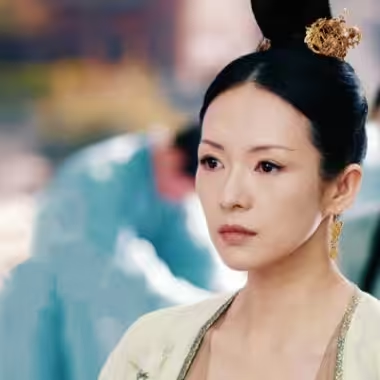
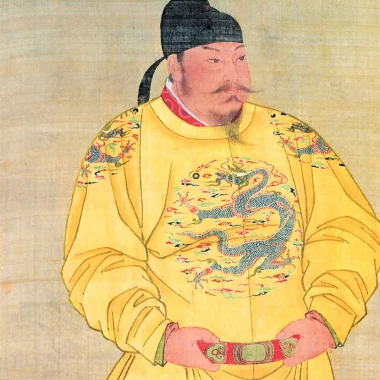
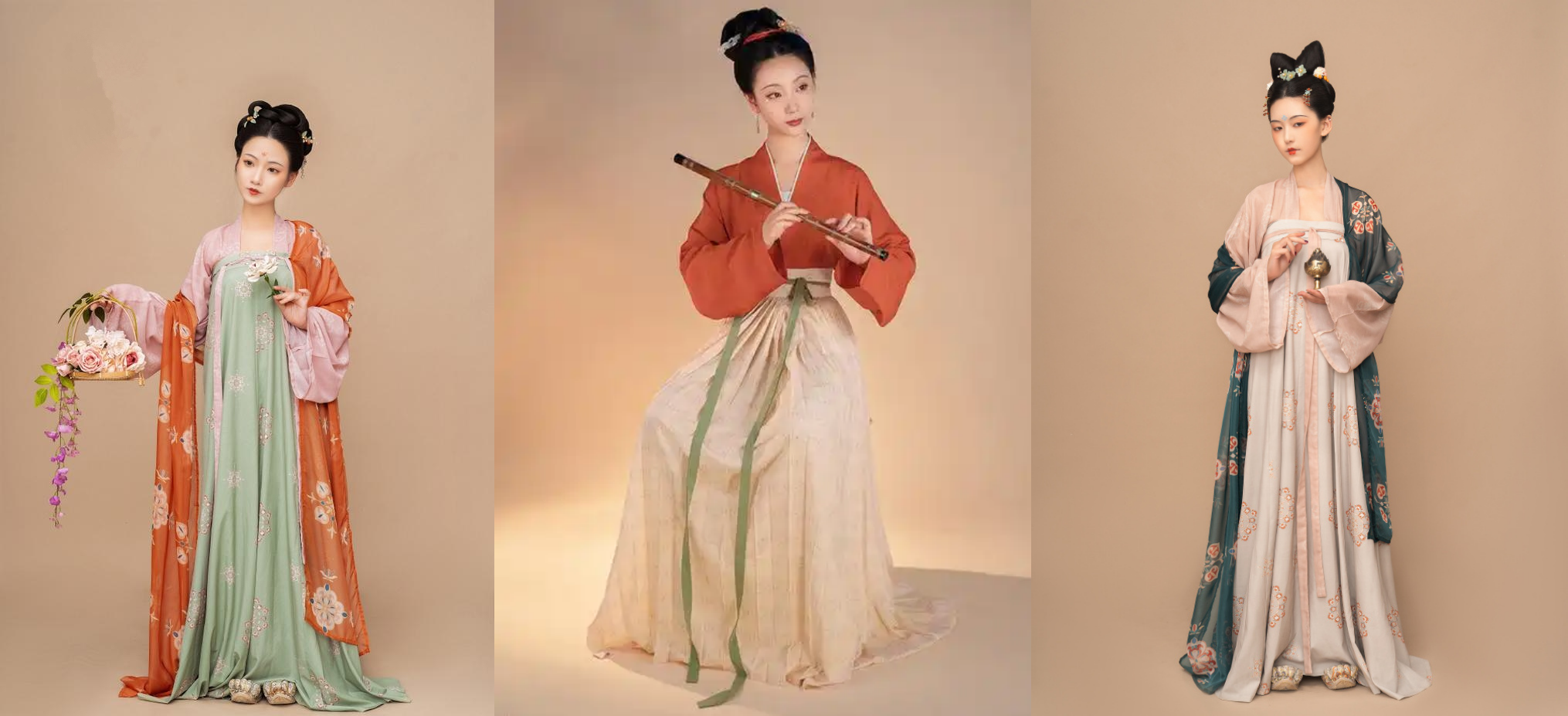
The Tang dynasty — celebrated for its cosmopolitan spirit — saw the golden age of Hanfu. Men wore round-collar robes with black putou headgear, while women favoured qixiong ruqun (high-waisted skirts) with airy shawls and half-sleeves. Bold colour, luxurious silk, and artistic embroidery reflected the empire’s confidence and openness.
The Song dynasty leaned toward elegance and comfort. Scholars wore simple yet refined robes and distinctive headgear like the dongpo scarf. Women loved the beizi — a long, flowing jacket — with pleated skirts and delicate moxiong bust wraps, embodying graceful restraint.
Transition, Resilience & Revival
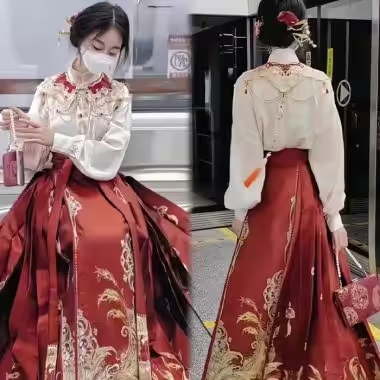
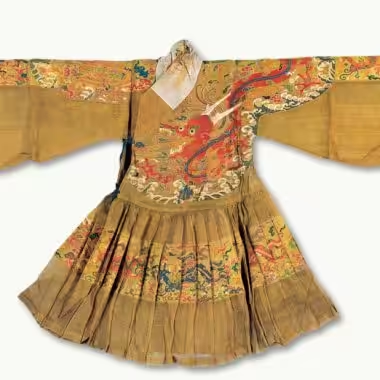
The Yuan dynasty introduced Mongol practicality — riding-friendly coats and pleated waist jackets — but many Han Chinese preserved their dress traditions. The Ming dynasty deliberately revived Han clothing codes; women’s aoqun (jacket and skirt sets), mamian skirts, and men’s round-collar robes flourished again. This period made cotton widespread and accessible, while nobles still wore fine silk and embroidery.
The Qing dynasty then suppressed Hanfu with the “queue and Manchu dress” policy, replacing it with Manchu-style robes and qizhuang. Yet, in villages and among scholars, traditional dress quietly survived, protecting an unbroken cultural thread.
Hanfu Today — A Living Heritage
In the 21st century, Hanfu has re-emerged with vibrant life. Young enthusiasts use social media to share styling guides, photos, and tutorials. Festivals, traditional ceremonies, and cultural events now feature Hanfu, and holidays like Lunar New Year and Mid-Autumn see growing Hanfu wearers.
Modern designers also innovate with improved Hanfu — keeping traditional silhouettes but using contemporary fabrics and convenient closures. This makes Hanfu easier to wear in everyday life while keeping its timeless charm. Schools and cultural organisations are adding Hanfu classes, helping the younger generation reconnect with heritage.
Why Hanfu Matters in Modern Life
Hanfu is more than historical dress; it is identity, pride, and continuity. Each pleat, embroidery motif, and layered collar tells a story of artistry and philosophy passed through millennia. Wearing Hanfu today is a way to honour culture and bring ancient beauty into the present.
At Hanfu Way, we embrace this legacy. Our collections balance authenticity and comfort — from ceremonial-inspired pieces for cultural events to modernised Hanfu clothing for daily wear. Whether you’re discovering Hanfu for the first time or deepening your cultural journey, you can buy Hanfu online confidently, knowing each piece reflects tradition and craftsmanship.