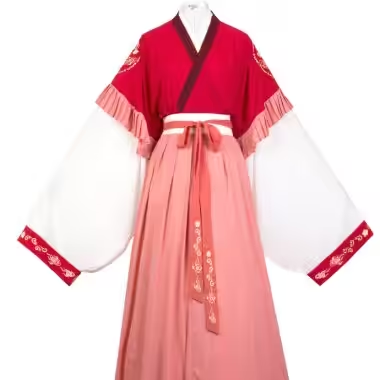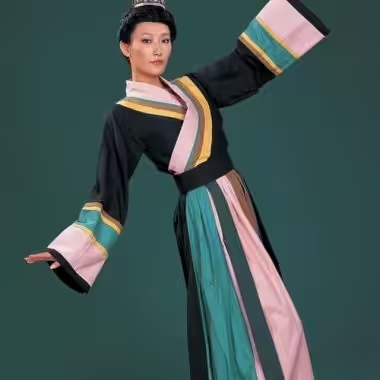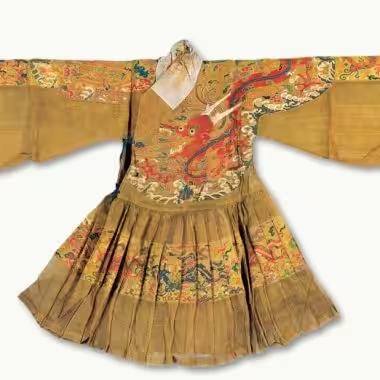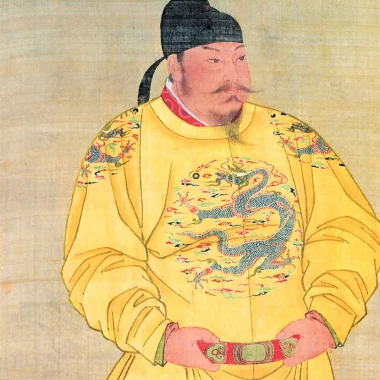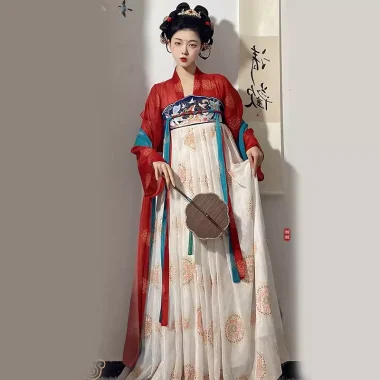
The revival of traditional Chinese fashion has been thriving in recent years. From costume dramas to social media influencers, the resurgence of Hanfu—the clothing of the Han ethnic majority—has reintroduced classical beauty to modern audiences. Among these captivating examples, one of the most talked-about looks belongs to Lu Yuxiao(卢昱晓 ), who played Shangguan Qian in the hit drama My Journey to You (云之羽). Her refined Hanfu styling captivated viewers and became an instant cultural reference.
In this article, we’ll explore the historical inspiration, design details, and cultural resonance behind Lu Yuxiao’s Hanfu, and understand why her look has become symbolic of the ongoing Hanfu renaissance.
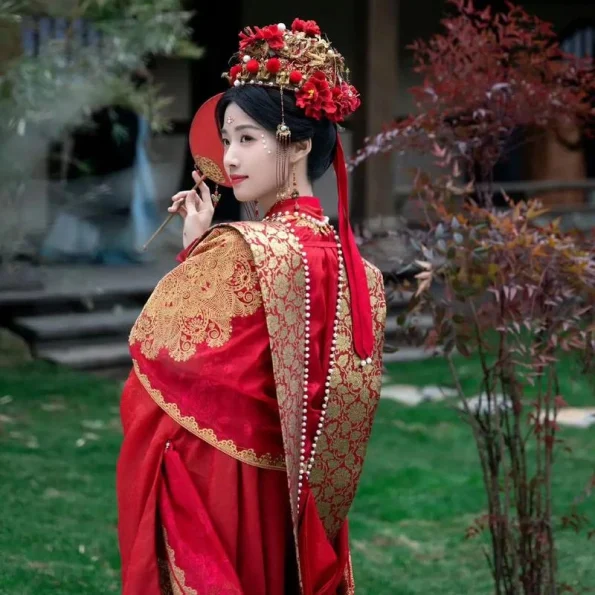
The Song Dynasty “Baoji” Hairstyle: Tradition Reimagined
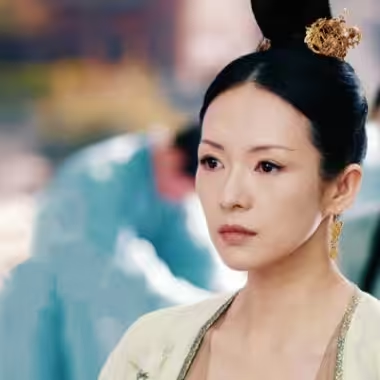
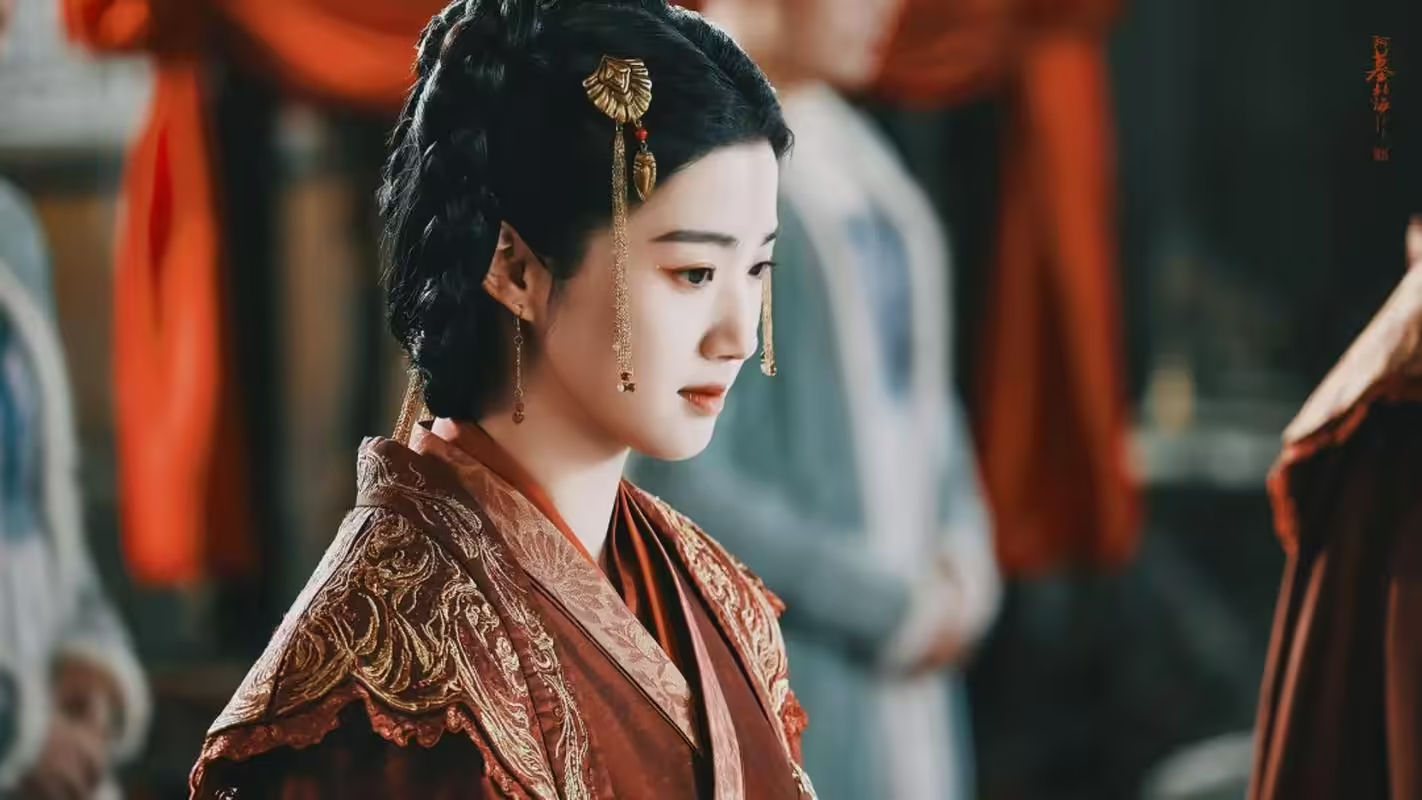
One of the most distinctive elements of Lu Yuxiao’s look is her hairstyle. The so-called “red hat” she wears in the wedding scene is, in fact, based on a Song Dynasty hairstyle known as “Baoji” (包髻). This ancient hair arrangement involves folding a long strip of silk fabric diagonally, wrapping it around the bun from the forehead backward, and tying it neatly at the front. The ends are then decorated with flowers, pearls, or jade ornaments for a graceful finishing touch.
Historical sculptures unearthed in Shanxi province confirm that this hairstyle was a genuine feature of Song-era aesthetics. By reviving the Baoji for Shangguan Qian, the production team brought a sense of authenticity and depth to the character’s appearance. It elegantly frames Lu Yuxiao’s features while evoking the grace and poise associated with Song women—an inspired balance between historical fidelity and cinematic beauty.
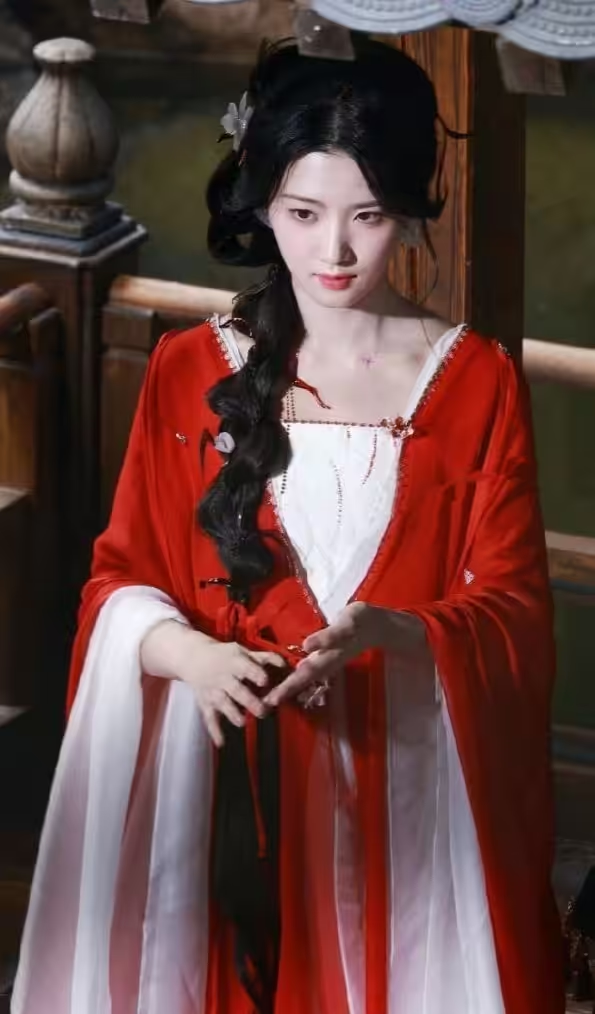
A Classic Collision of Colors: Red and Blue Harmony
The most striking feature of Lu Yuxiao’s Hanfu ensemble is undoubtedly its vibrant color palette. The combination of crimson red and gentle blue creates a visual contrast that is bold yet refined. In traditional Chinese symbolism, red signifies joy, vitality, and auspiciousness, while blue represents calm, wisdom, and serenity. When paired skillfully, the two hues form a dynamic interplay of warmth and coolness—energy and composure.
In her costume, the outer robe adopts a rich red tone, while the inner layers reveal soft blue undertones. This “light inside, deep outside” color structure highlights Lu Yuxiao’s fair complexion and enhances the visual depth of her outfit. The fabric transitions subtly from red to pale pink at the sleeves, introducing a gradient effect that softens the overall look and prevents the red from appearing overly intense.
Meanwhile, delicate blue embroidery on the inner white lining adds a touch of freshness and ethereal grace. The resulting effect is elegant and balanced—an embodiment of harmony within contrast, echoing the ancient Chinese philosophy of yin and yang.
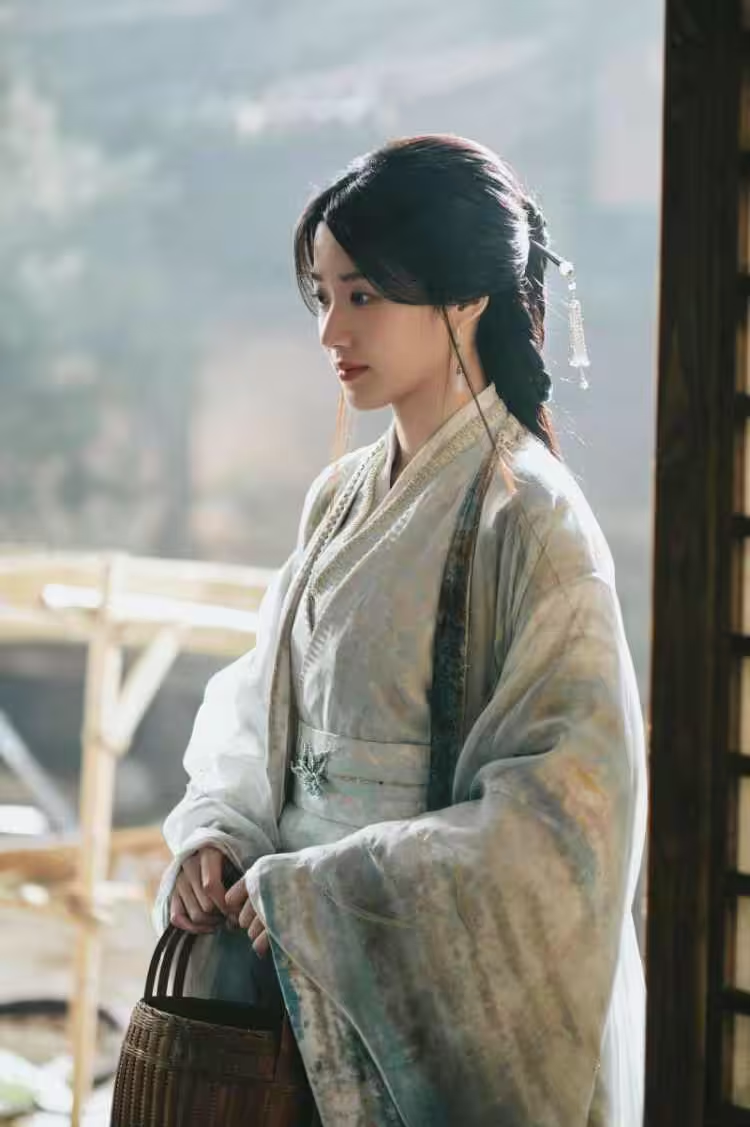
Ming-Style Construction: Elegance through Form
While the hairstyle is rooted in Song traditions, the structure and tailoring of Lu Yuxiao’s Hanfu draw inspiration from the Ming Dynasty. The silhouette features the classic cross-collar design (交领右衽)—a hallmark of Ming fashion that symbolizes grace and restraint. The right-over-left wrapping collar gives the wearer a dignified air, reflecting the Confucian ideals of modesty and order.
The outer robe’s neckline is cut slightly wider than the historical norm, subtly revealing the embroidered inner layer. This creative adaptation not only enhances the layering effect but also frames her neckline gracefully, adding a modern sense of openness while retaining traditional elegance.
The long, symmetrical robe with an umbrella-shaped hem flows naturally, flattering the wearer’s figure. This design visually elongates the body, emphasizing Lu Yuxiao’s tall, refined silhouette. Combined with the lightweight, fluid fabric, the costume accentuates her movements—each turn of the head and sweep of the sleeve evokes poetry in motion.
Through this refined construction, the costume designers achieved a delicate balance between authentic heritage and modern aesthetics, proving that ancient fashion can be both historically accurate and visually captivating to contemporary eyes.
Accessories: The Finishing Touches of Grace
No Hanfu ensemble is complete without its accessories, and Lu Yuxiao’s look showcases meticulous attention to detail. Her hairstyle is adorned with pearl-inlaid hairpins and delicate tassels that sway gracefully as she moves. The gentle glimmer of these ornaments adds nobility without excess, perfectly complementing the understated elegance of her attire.
She also wears slender pendant earrings featuring pearls and tiny crystals. The length and design of the earrings are carefully chosen to enhance her facial features—neither too showy nor too subtle. Under the light, they catch a faint sparkle that draws attention to her expressive gaze.
These accessories demonstrate how thoughtful coordination can amplify the beauty of traditional clothing without overshadowing it. Every element serves to enhance harmony rather than compete for attention—a core principle of classical Chinese aesthetics.
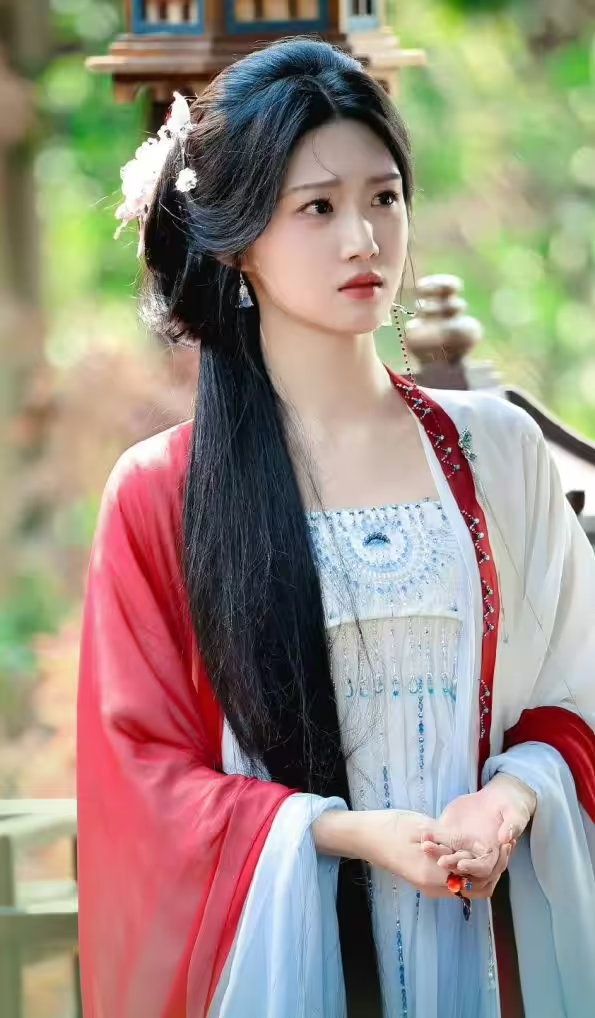
Transforming Image through Hanfu
Before My Journey to You, Lu Yuxiao was relatively lesser known. Yet, her portrayal of Shangguan Qian—complete with exquisite Hanfu styling—became a defining moment in her career. Viewers were quick to praise her transformation, calling it “a beauty reborn through Hanfu.” The sophisticated costume not only elevated her appearance but also lent authenticity and emotional depth to her character.
The Hanfu’s elegance helped embody Shangguan Qian’s dual nature—gentle and composed on the surface, but resilient and intelligent within. The costume’s refined design echoed these layers, making her performance both visually and emotionally compelling. Lu Yuxiao’s portrayal soon went viral across social media platforms, cementing her status as a rising symbol of classical beauty in modern Chinese entertainment.
The Hanfu Revival: From Screen to Street
Lu Yuxiao’s success is part of a wider Hanfu revival movement sweeping across China and beyond. Fueled by period dramas, fashion influencers, and online communities, Hanfu has evolved from niche cosplay into a cultural phenomenon embraced by millions.
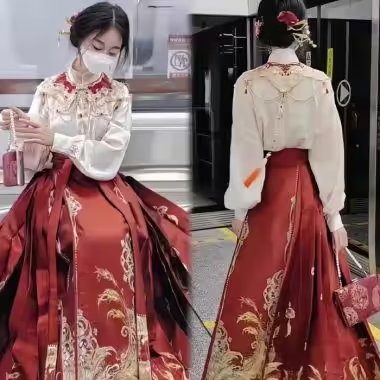
Influencers regularly post photos and videos of themselves wearing Hanfu in daily settings—from city streets to cafés—proving that these garments can transcend costume and become everyday fashion. Online hashtags dedicated to Hanfu have garnered billions of views, illustrating how deeply this cultural renaissance resonates with younger generations.
Television dramas like My Journey to You play a crucial role in this revival. When viewers see authentic and beautifully made Hanfu on screen, they are inspired to learn more about traditional dress, history, and culture. Lu Yuxiao’s portrayal of Shangguan Qian, in particular, has encouraged countless fans to explore Hanfu fashion and even purchase similar designs.
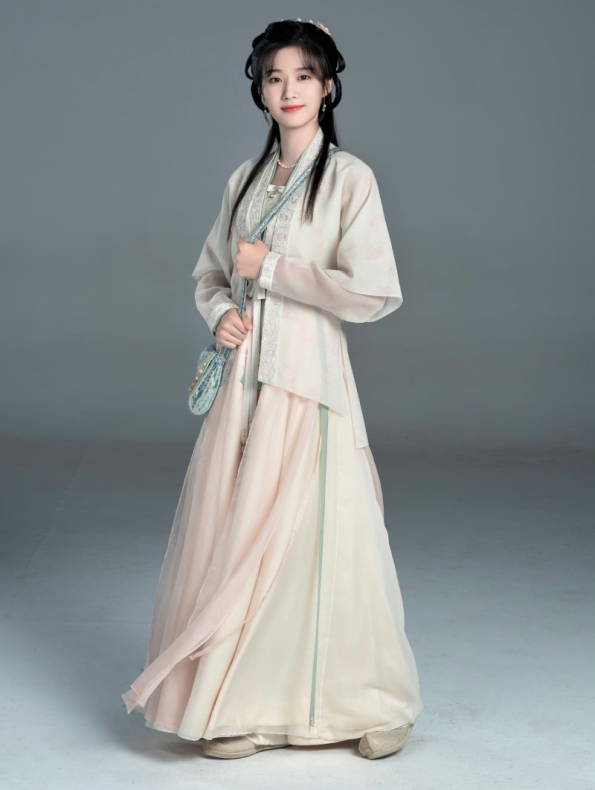
Why Shangguan Qian’s Hanfu Resonates with Modern Audiences
Lu Yuxiao’s Hanfu resonates for several key reasons:
-
Authenticity and Craftsmanship: The accurate recreation of traditional elements like the Baoji hairstyle and Ming-style tailoring showcases genuine Chinese craftsmanship, enhancing cultural appreciation.
-
Aesthetic Balance: The harmonious red-and-blue palette combines visual richness with emotional depth, appealing to both historical purists and fashion enthusiasts.
-
Cultural Pride: The look embodies a rediscovery of Chinese identity. Wearing Hanfu has become an expression of national pride and cultural confidence among younger generations.
-
Influence and Inspiration: The viral impact of her styling has expanded the Hanfu community, motivating more people to participate in cultural events, create content, and support Hanfu brands.
Conclusion
Lu Yuxiao’s portrayal of Shangguan Qian stands as a landmark moment in the modern Hanfu movement. Through her impeccable styling and authentic costume design, she bridged the worlds of history and modernity, artistry and identity. Her Hanfu look not only enhanced her own image but also helped propel the ongoing revival of traditional Chinese aesthetics.
In a fast-paced modern world, this renewed fascination with Hanfu represents more than fashion—it is a collective effort to reconnect with the beauty, wisdom, and grace of Chinese heritage. Through characters like Shangguan Qian, the spirit of Hanfu continues to live on, inspiring new generations to embrace their cultural roots with pride and elegance.