The Ming Dynasty was an era of synthesis, with its clothing styles drawing from the Zhou and Han Dynasties above, and the Tang and Song Dynasties below, while also incorporating a degree of Mongolization (胡化, Húhuà) and evolution. For instance, traditional Chinese clothing rarely used buttons to fasten garments, but their widespread use during the Ming period was influenced by the Zhisun Robe or Yisa (质孙服/曳撒, Zhǐsūn fú/Yèsǎ) of the Yuan Dynasty. In the early Ming Dynasty, the influence of the Yuan Dynasty was very strong.
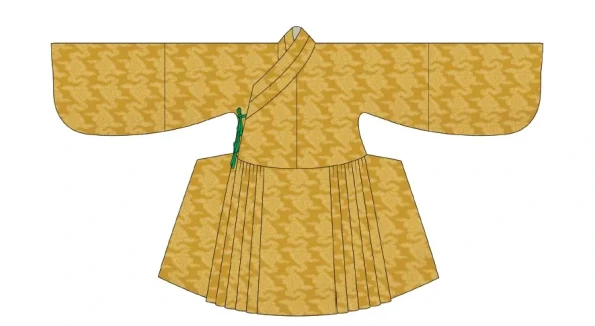
Yesa (曳撒)
The Ming rulers recognized the convenience and comfort of the Zhisun Robe (质孙服, Zhǐsūn fú) for physical activity. Ming Taizu fully adopted the Zhisun style, designating it for the uniforms of the imperial guards and cavalry. The Yisa (曳撒, Yèsǎ), worn by Ming emperors when riding horses, was a modified, longer, and looser version of the Pianxian’ao (辫线袄, Biànxiàn ǎo – Plaited-thread Jacket).
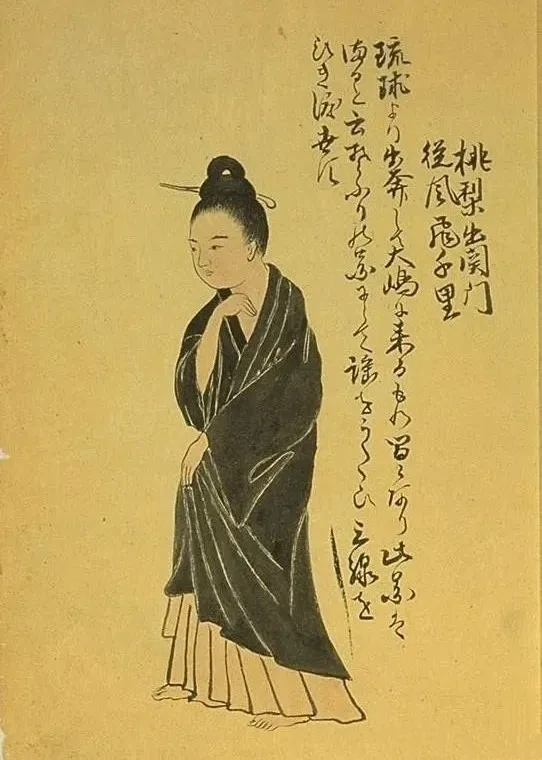
Traditional Ryukyuan Costume(琉球族)
In the mid-to-late Ming Dynasty, styles previously unseen appeared, such as the Standing Collar (立领, Lìlǐng), and the extensive use of metal buttons. While gradually banned during the Qing Dynasty, some styles and features persist today. The ethnic clothing of the modern Korean, Ryukyuan, and Kinh (Vietnamese) peoples (朝鲜民族、琉球族、京族, Cháoxiǎn Mínzú, Liúqiú Zú, Jīng Zú) (e.g., Hanbok, Ryusou (琉装, Liúzhuāng), Viet phục (越服, Yuèfú)) was also deeply influenced by Ming attire.
Men’s Attire (男子服饰, Nánzǐ Fúshì)
Robes and gowns were an important component of Ming men’s wear. Styles included the Straight-Body Robe (直身, Zhíshēn), Straight-Gown (直裰, Zhídǔo), Daoist Robe (道袍, Dàopáo), and Deep Robe (深衣, Shēnyī). Casual clothing for the upper class was primarily made of silk and satin, featuring a large front-opening, right-overlapping collar, wide sleeves, and a length past the knee.
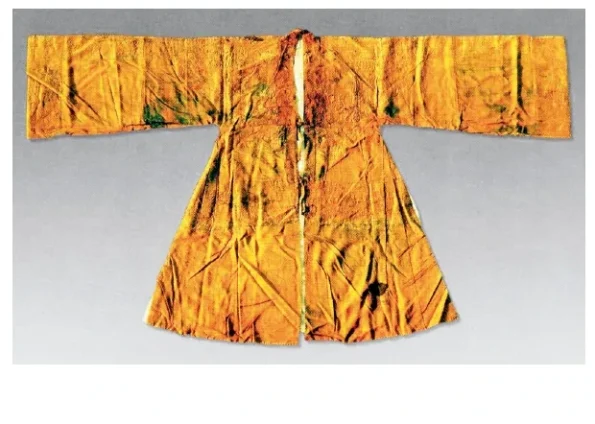
Imperial and Noble Attire
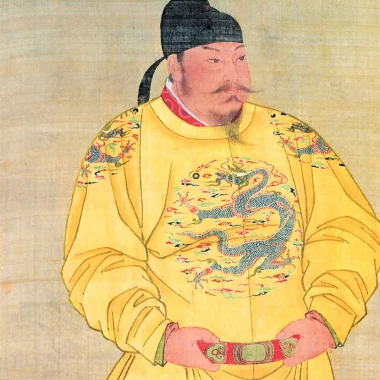
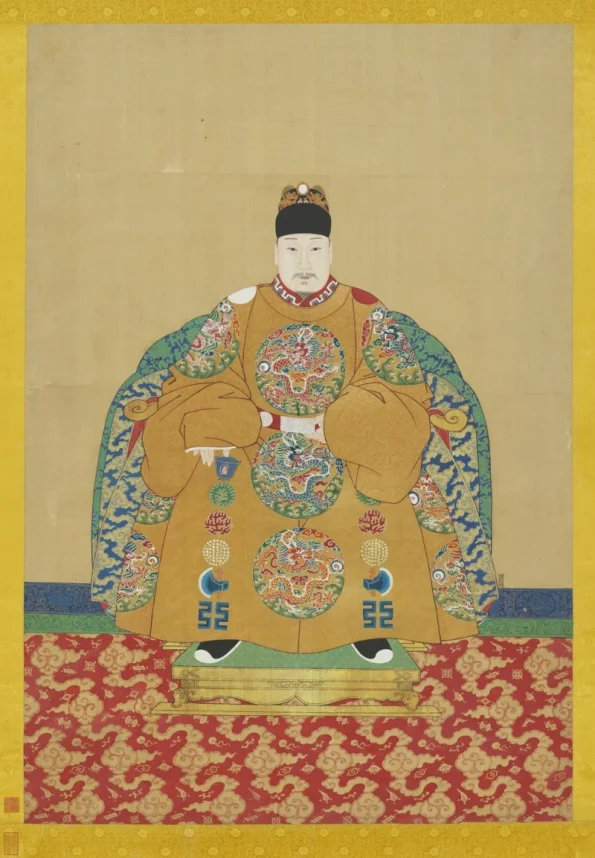
The Emperor’s everyday wear included the Black Gauze Folded-Top Cap (乌纱折上巾, Wūshā Zhéshàngjīn), also known as the Winged-Goodness Crown (翼善冠, Yìshàn Guān), and the Imperial Dragon Robe (衮龙袍, Gǔnlóng Páo). This robe featured golden disc-dragons and the Twelve Ornaments (十二章纹, Shí’èrzhāng wén).
The Pifeng (披风, Pīfēng – Cape/Cloak) became popular casual wear in the late Ming Dynasty. It evolved from the Beizi (褙子, Bèizi – Short Vest/Jacket) of the Song and Yuan Dynasties.
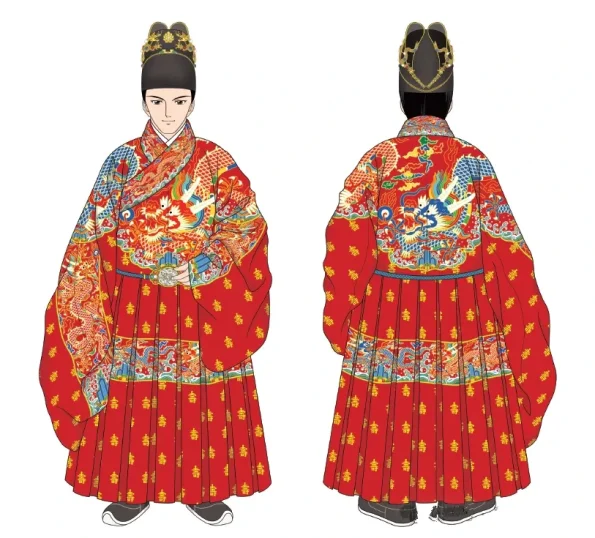
Ming Dynasty Tieli 贴里 Illustration
Official Attire
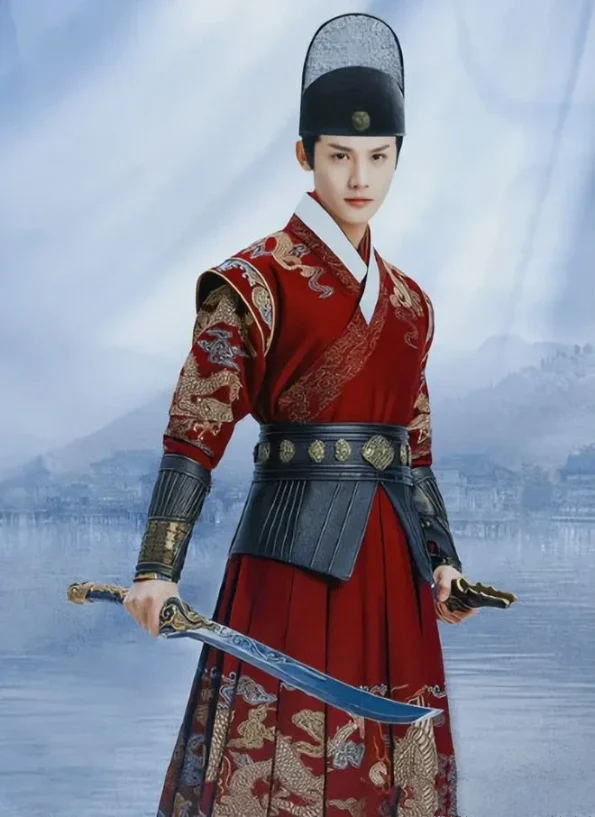
Ming official uniforms generally followed the Tang system. The Black Gauze Cap (乌纱帽, Wūshā mào) was the main headwear. The official’s everyday uniform was a round-collared robe with a square Mandarin Square (补子, Bǔzi – Rank badge) attached to the chest and back to distinguish rank: civil officials used flying birds (飞禽, fēiqín), while military officials used walking beasts (走兽, zǒushòu).
The patterns for high-ranking officials included: Douniu (斗牛, Dòuniú – Dipper/Bull), Flying Fish (飞鱼, Fēiyú), Python (蟒, Mǎng), and Qilin (麒麟, Qílín). Specialized units like the Jinyiwei (锦衣卫, Jǐnyīwèi – Embroidered Uniform Guard) wore the Flying Fish Robe (飞鱼服, Fēiyú fú). Other styles like the Yisa (曳撒, Yèsǎ) and Tieli (贴里, Tiēlǐ), both derived from the Mongol Zhisun Robe (质孙服, Zhǐsūn fú), were also worn.
Military Attire (军服胄甲, Jūnfú Zhòujiǎ)
Common uniforms included the Padded Jacket (胖袄, Pàng’ǎo), which was often red. Cavalrymen wore the Front-Opening Surcoat Armor (对襟罩甲, Duìjīn Zhàojiǎ). Soldiers wore a metal Helmet (兜鍪, Dōumóu) and sometimes Chainmail (锁子甲, Suǒzǐ Jiǎ).
Common Men’s Headwear (巾帽, Jīnmào)
- Fajin (幅巾, Fújīn): A cloth head wrap.
- Damao (大帽, Dàmào): A wide-brimmed hat.
- Dongpo Cap (东坡巾, Dōngpō Jīn): Named after the scholar Su Shi.
- Rujin (儒巾, Rújīn): Worn by Confucian scholars.
Women’s Attire (女子服饰, Nǚzǐ Fúshì)
Ming women’s clothing quickly reverted to the Han Chinese tradition of the Crossed Collar, Right Overlap (交领右衽, Jiāolǐng Yòurèn). Styles inherited elements from the Tang and Song Dynasties, such as the Shirt/Blouse (衫, Shān), Jacket (袄, Ǎo), and Cape of Light (霞帔, Xiápèi). The Standing Collar (立领, Lìlǐng) was a notable innovation.
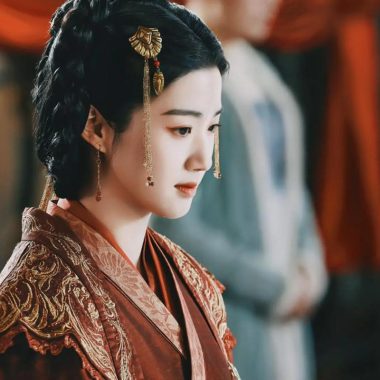
The Bijia (比甲, Bǐjiǎ – Sleeveless Jacket/Vest) was a popular garment, especially among younger women. Adult women often wore a Headdress/Wig (狄髻, Dí jì), decorated with a complete set of ornaments called Head Ornaments (头面, Tóumiàn).
Imperial and Noble Women’s Attire
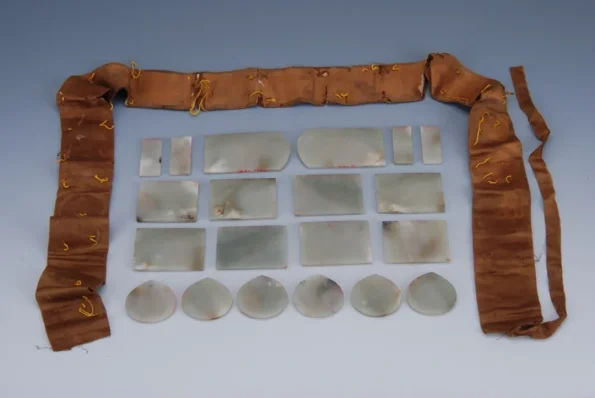
The Empress’s ceremonial dress included the Phoenix Robe (鞠衣, Jūyī), the Large Outer Robe (大衫, Dàshān), and the Cape of Light (霞帔, Xiápèi).
Common Women’s Attire
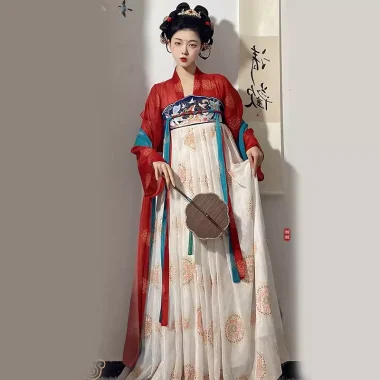
The primary ensemble was the Jacket and Skirt (袄裙, Ǎoqún), characterized by a loose, untucked jacket, wide sleeves with tight cuffs, and large skirt pleats.
The Horse-Face Skirt (马面裙, Mǎmiàn Qún) gets its name from the large vertical fabric panel (马面, Mǎmiàn) in the front and back. In the mid-Ming, skirts began to be decorated with Knee Bands (膝襕, Xīlán). A later style was the Moonlight Skirt (月华裙, Yuèhuá Qún), where each pleat had a different color. The Patchwork Robe (水田衣, Shuǐtián Yī – Field-patterned Robe), made by stitching various silk pieces, also appeared in the late Ming Dynasty.
Patterns and Designs (图案纹样, Tú’àn Wényàng)
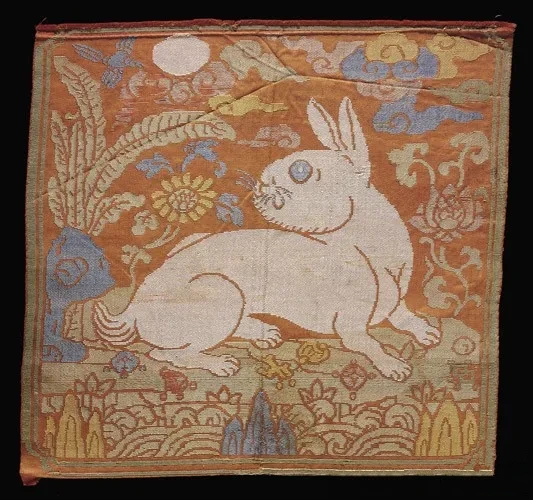
Patterns often carried auspicious meanings. A frequent motif was the Five Bats Holding Longevity (五蝠捧寿, Wǔ fú pěng shòu), where five bats (蝠, fú, is a homophone for 福, fú – blessing) surrounded the Longevity (寿, shòu) character. Another design was the Treasure-Like Flower (宝相花, Bǎoxiāng Huā), an abstract floral pattern. The Treasure-Like Flower and the Python Dragon (蟒龙, Mǎng Lóng) pattern were initially reserved for the imperial family, though these restrictions were less strictly enforced by the mid-Ming.