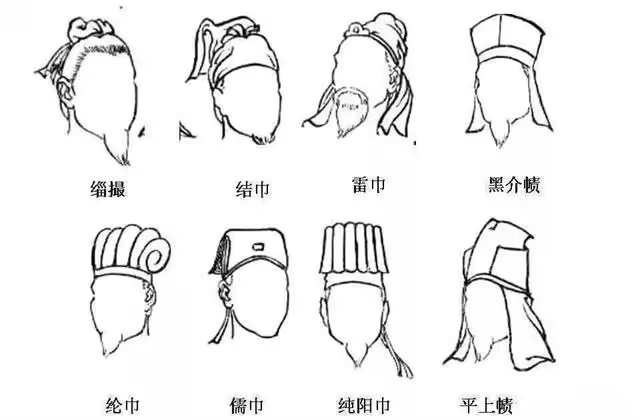
What Is Hanfu Headwear?
Hanfu headwear (首服 shǒu fú) refers to the traditional head adornments from ancient Han Chinese attire. These include hats (Mũ guān mào), fabric wraps (Phụ nữ jīn zé), and ornate hairpieces. Headwear is an indispensable element in Hanfu culture, symbolizing status, etiquette, and beauty.
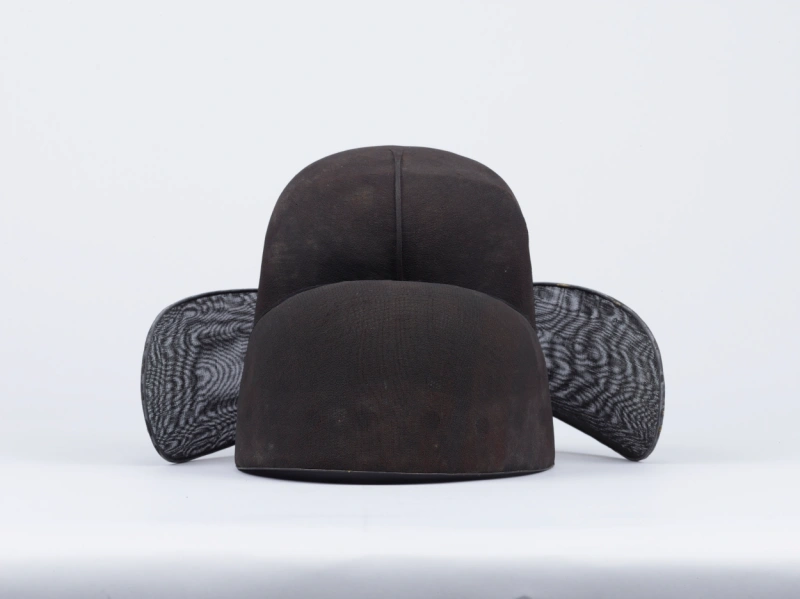
Mũ đen (wū mào, mũ vải lụa đen)
Major Categories and Terms
For Men
-
Vương miện (miǎn guān, ceremonial crown)
-
爵弁 / 雀弁 (jué biàn / què biàn, ceremonial caps)
-
皮弁 (pí biàn, leather cap)
-
韦弁 (wéi biàn, tanned leather cap)
-
冠弁 (guān biàn, crown/cap)
-
武弁 (wǔ biàn, military cap)
-
通天冠 (tōng tiān guān, tall “heaven-reaching” crown)
-
长冠 (cháng guān, long crown)
-
乌帽 (wū mào, black gauze cap)
Men also wore cloth-based headgear:
-
Chiều rộng (fú jīn)
-
网巾 (wǎng jīn, mesh wrap)
-
Khăn Đông Pha (dōng pō jīn, Dongpo wrap)
-
唐巾 (táng jīn, Tang wrap)
-
飘飘巾 (piāo piāo jīn)
-
Khăn trùm đầu Nho giáo (rú jīn, scholar’s cap)
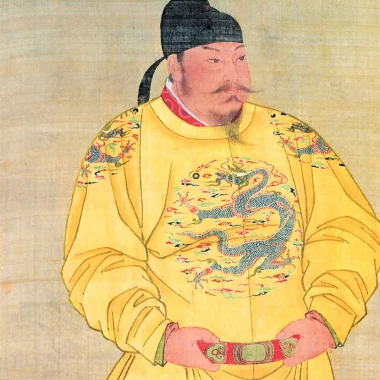
Each type reflected both fashion and hierarchy. For example, Vương miện (miǎn guān) was reserved for emperors during rituals; 乌帽 (wū mào) was common among ordinary people.
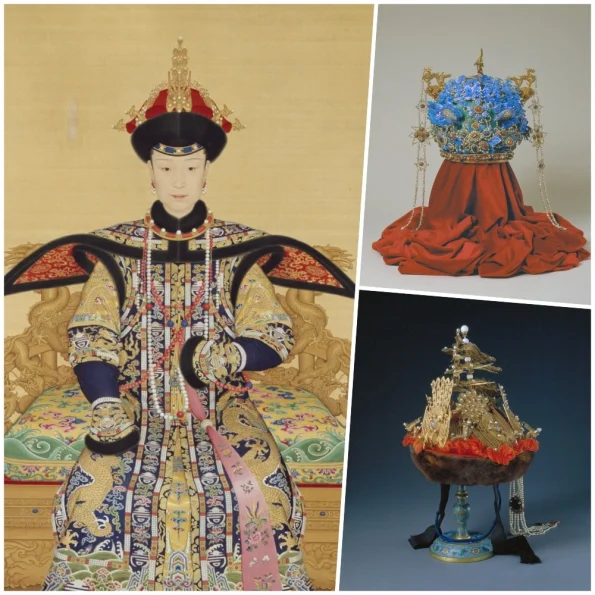
凤冠 (fèng guān, phoenix crown)
For Women
-
Mũ phượng (fèng guān, phoenix crown)
-
珠翠冠 (zhū cuì guān, bejeweled crown)
-
簪 (zān, single hairpin)
-
钗 (chāi, double hairpin)
-
栉 / 梳篦 (zhì / shū bì, comb)
-
步摇 (bù yáo, dangling ornament)
-
Mũ trùm đầu (mǒ é, forehead ribbon)
-
巾帼 (jīn guó, cloth hat for women)
-
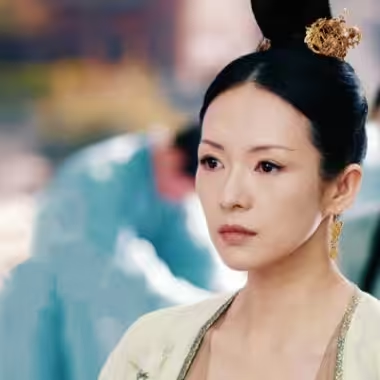
Địch Kỷ (dí jì, “Di” style bun)
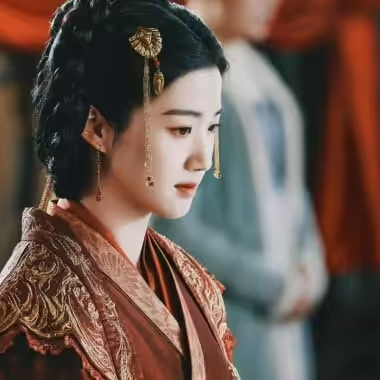
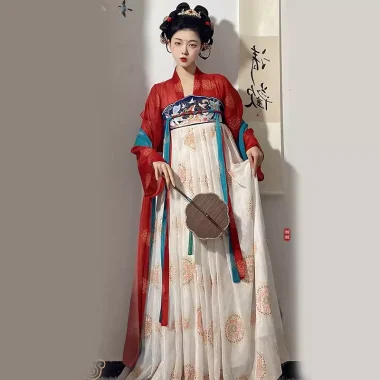
Hair accessories were not only decorations but also revealed social status and personal taste.
For Children
For children, colorful hats (Khăn trùm đầu jīn mào) with auspicious patterns were popular, expressing parents’ wishes and blessings.
Social and Cultural Meaning
-
During ceremonies, emperors and nobles wore Vương miện (miǎn guān), the highest-ranking ritual crown symbolizing supreme authority.
-
Hairstyles and headwear reflected age and social standing from childhood onwards.
-
Men’s hats differentiated scholars (冠 guān) from officials (官帽 guān mào).
-
Practical cloth wraps and hats suited daily life and outdoor work.
Women’s Styling Customs
Women’s hair was styled into buns and elaborately adorned with:
-
Hoa ngọc trai (zhū huā, beaded ornaments)
-
步摇 (bù yáo, dangling pieces)
-
翠翘 (cuì qiāo, kingfisher feather ornament)
-
冠梳 (guān shū, decorative comb)
Each dynasty and region had its own favored accessories, and customs like wearing silk flowers (绢花 juàn huā) in the hair became established, especially among the nobility in the Ming Dynasty.
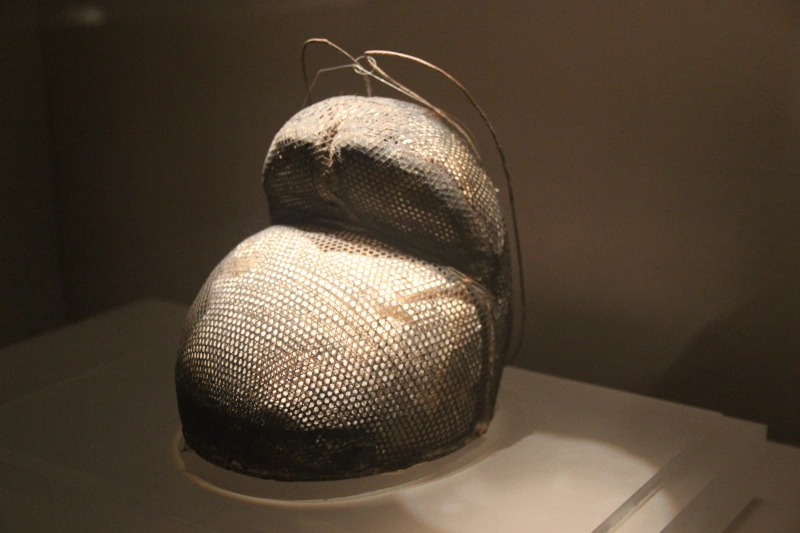
Futou wrap-襆头 (fú tóu) Tang–Song, everyday soft wrap
Table Example: Types of Hanfu Hats
| Name (English) | 中文名 (Pinyin) | Notes |
|---|---|---|
| Futou wrap | Mũ trùm đầu (fú tóu) | Tang–Song, everyday soft wrap |
| Four-corner Futou | 四脚襆头 (sì jiǎo fú tóu) | Four-corner style |
| Black gauze cap | Mũ quan (wū shā mào) | Ming Dynasty, official hat |
| Emperor’s crown | Vương miện (miǎn guān) | Used in major ritual ceremonies |
| Phoenix crown | Mũ phượng (fèng guān) | Ornate, for empress & court ladies |
| Zan (hairpin) | 簪 (zān) | Common in women’s hairstyles |
| Chai (hairpin) | 钗 (chāi) | Double-pronged |
| Mo’e (forehead ribbon) | Mũ trùm đầu (mǒ é) | Forehead band, female |