อะไรคือเครื่องแต่งกายศีรษะฮั่นฟู?
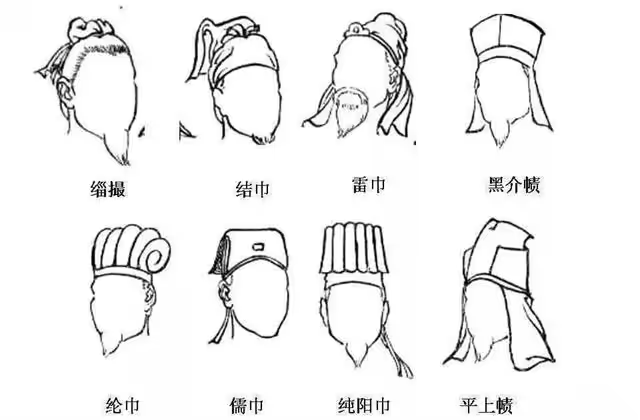
เครื่องประดับศีรษะฮั่นฟู่ (เซิร์ฟเวอร์หลัก shǒu fú) หมายถึงเครื่องประดับศีรษะแบบดั้งเดิมจากเครื่องแต่งกายของชาวจีนฮั่นโบราณ ซึ่งรวมถึงหมวก (หมวก กวนเมา), ผ้าพัน (ผ้าโพกศีรษะ จิ่นเจ๋อ) และเครื่องประดับผมที่วิจิตรบรรจง เครื่องสวมศีรษะถือเป็นองค์ประกอบที่ขาดไม่ได้ในวัฒนธรรมฮั่นฟู่ ซึ่งสื่อถึงฐานะ มารยาท และความงาม.
หมวกสีดำ (หมวกผ้าไหมสีดำ)
หมวดหมู่หลักและคำศัพท์
สำหรับผู้ชาย
-
มงกุฎ (มีอัน, มงกุฎพิธี)
-
หมวกประดับเครื่องราชอิสริยาภรณ์ / นกกระจอก (หมวกพิธีการ / หมวกพิธีการ)
-
แผ่นหนัง (หมวกหนัง)
-
เว่ย์เปี่ยน (หมวกหนังสีแทน)
-
ลิ้นหัวใจ (กวนเปี่ยน, มงกุฎ/หมวก)
-
ผู้บังคับบัญชา (วูเปี้ยน, หมวกทหาร)
-
หมวกทรงสูง (ทงเทียนกวน, มงกุฎสูง “ทะลุฟ้า”)
-
หมวกทรงสูง (จาง ก่วน, หัวมงกุฎยาว)
-
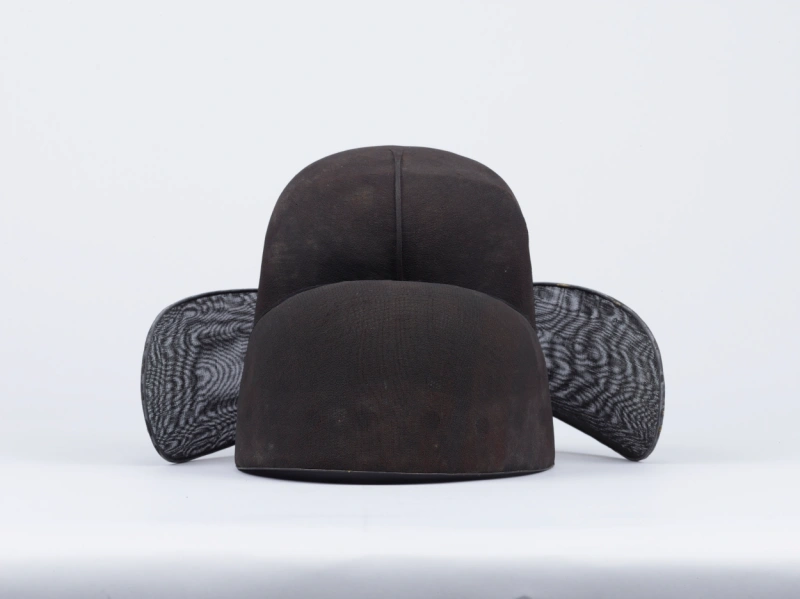
หมวกสีดำ (วูเหมา หมวกผ้ากอซสีดำ)
ผู้ชายยังสวมหมวกที่ทำจากผ้า:
-
ความกว้าง (ฟู จิน)
-
ผ้าคลุมตาข่าย (หวางจิน, ผ้าตาข่าย)
-
ผ้าโพกศีรษะแบบตงปอ (ตงโปจิน, ห่อตงโป)
-
ผ้าโพกศีรษะแบบจีน (ถังจิน, ถังเจิน)
-
ผ้าเช็ดหน้า (เป่า เป่า จิน)
-
หมวกขงจื๊อ (รู่จิ่น, หมวกของนักปราชญ์)
แต่ละประเภทสะท้อนทั้งแฟชั่นและลำดับชั้น ตัวอย่างเช่น, มงกุฎ (มิอันก่วน) ถูกสงวนไว้สำหรับจักรพรรดิในระหว่างพิธีกรรม; หมวกสีดำ (วู เมา) เป็นเรื่องปกติในหมู่คนธรรมดา.
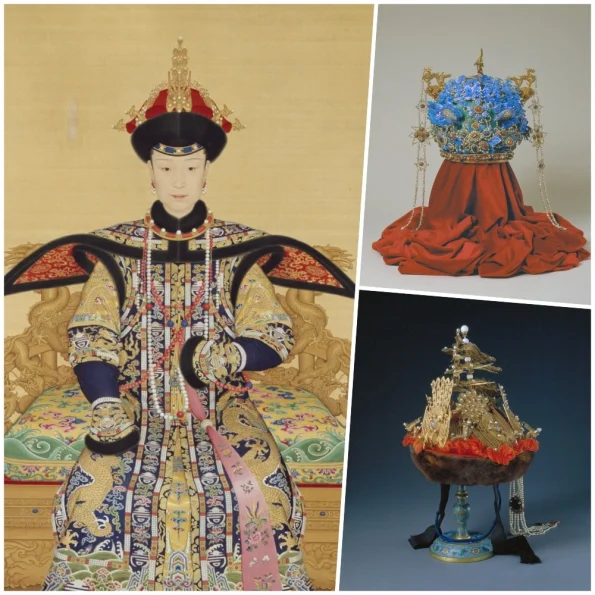
凤冠 (เฟิ่งก่วน, มงกุฎหงส์)
สำหรับผู้หญิง
-
มงกุฎหงส์ (เฟิงก่วน, มงกุฎฟีนิกซ์)
-
มงกุฎประดับด้วยไข่มุกและอัญมณี (จู๋ ฉุ่ย ก่วน, มงกุฎประดับอัญมณี)
-
簪 (ซาน, กิ๊บติดผมเดี่ยว)
-
钗 (ช่าย, กิ๊บติดผมแบบคู่)
-
栉 / หวีสางผม (หวี / หนังสือ, หวี)
-
เครื่องประดับผมแบบโบก (ไม่ต้องการ, เครื่องประดับห้อย)
-
ผ้าคาดหน้าผาก (ม่อเอ๋อ, ริบบิ้นที่หน้าผาก)
-
สตรี (จีน, หมวกผ้าสำหรับผู้หญิง)
-
ดิ้กเก๋ (อ่านว่า “ตี้จี่” หรือ "เตี๊ยจี่" ขนมจีบแบบ "ตี้" หรือ "สไตล์เตี๊ย
เครื่องประดับผมไม่เพียงแต่เป็นเครื่องประดับเท่านั้น แต่ยังเผยให้เห็นถึงฐานะทางสังคมและรสนิยมส่วนตัวอีกด้วย.
สำหรับเด็ก
สำหรับเด็ก ๆ หมวกสีสันสดใส (หมวกคลุม จี๋หน่าว) ที่มีลวดลายมงคลเป็นที่นิยม แสดงถึงความปรารถนาและคำอวยพรจากพ่อแม่.
ความหมายทางสังคมและวัฒนธรรม
-
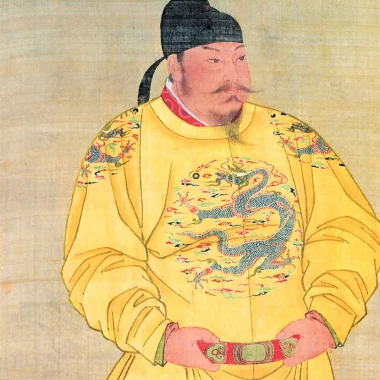
ในระหว่างพิธีการ จักรพรรดิและขุนนางสวมใส่ มงกุฎ (เมียนก่วน) มงกุฎพิธีกรรมสูงสุดที่เป็นสัญลักษณ์ของอำนาจสูงสุด.
-
ทรงผมและเครื่องประดับศีรษะสะท้อนถึงอายุและสถานะทางสังคมตั้งแต่เด็กเป็นต้นไป.
-
หมวกของผู้ชายแยกแยะนักวิชาการ (冠 การรับสินบน) จากเจ้าหน้าที่ (หมวกขุนนาง กวนหม่า).
-
ผ้าพันและหมวกที่ใช้งานได้จริงเหมาะสำหรับชีวิตประจำวันและการทำงานกลางแจ้ง.
ประเพณีการแต่งกายของผู้หญิง
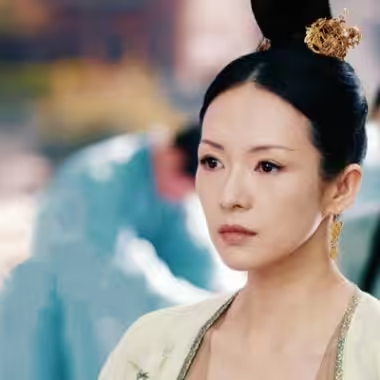
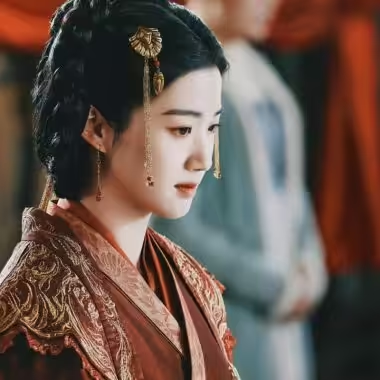
ผมของผู้หญิงถูกจัดทรงเป็นมวยและประดับประดาอย่างวิจิตรด้วย:
-
ดอกหยก (จูฮวา, เครื่องประดับลูกปัด)
-
เครื่องประดับผมแบบโบก (ไม่ต้องการ, ชิ้นส่วนที่ห้อยอยู่)
-
สีเขียวสดใส (เฉวี่ยเฉียว, เครื่องประดับขนนกนกกระเต็น)
-
หวีรูปมงกุฎ (กวนซู่, หวีประดับ)
แต่ละราชวงศ์และภูมิภาคต่างก็มีเครื่องประดับที่ได้รับความนิยมเฉพาะตัว รวมถึงธรรมเนียมต่าง ๆ เช่น การสวมใส่ดอกไม้ผ้าไหม (ดอกไม้ผ้าไหม การประดับผมด้วยดอกไม้ (จ้วนฮวา) กลายเป็นที่นิยม โดยเฉพาะในหมู่ชนชั้นสูงในสมัยราชวงศ์หมิง.
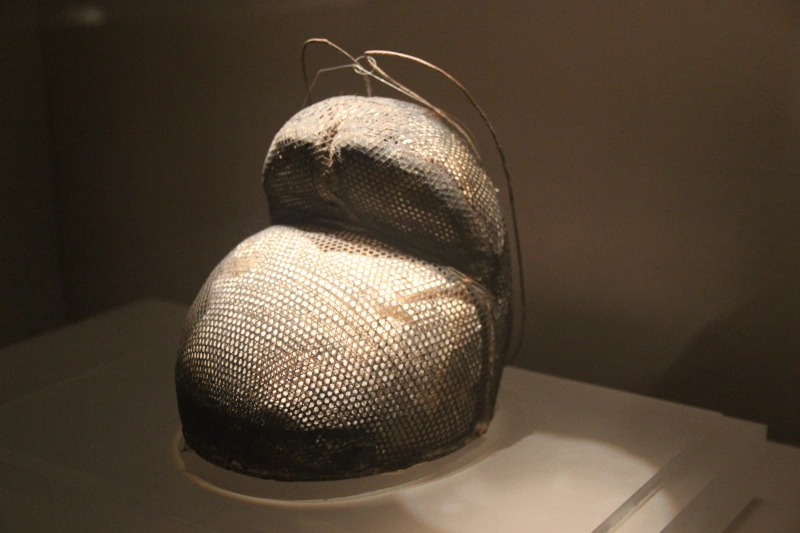
ฟูโต้วห่อ (ฟู่โถว) ราชวงศ์ถัง-ซ่ง, ห่อผ้าอ่อนสำหรับใช้ในชีวิตประจำวัน
ตัวอย่างตาราง: ประเภทของ หมวกฮั่นฟู
| ชื่อ (ภาษาอังกฤษ) | ชื่อภาษาจีน (พินอิน) | หมายเหตุ |
|---|---|---|
| ฟุโตะวแรป | ผ้าคลุมศีรษะ (ฟู โต้ว) | ถัง-ซ่ง, ผ้าห่ออ่อนนุ่มสำหรับใช้ในชีวิตประจำวัน |
| สี่มุมฟู่โถว | หัวผักกาดสี่ขา (ซื่อเจียวฝูโถว) | สไตล์สี่มุม |
| หมวกผ้าขาวบางสีดำ | หมวกขุนนาง (วู ชา หม่า) | ราชวงศ์หมิง หมวกราชการ |
| มงกุฎจักรพรรดิ | มงกุฎ (ไม่เกี่ยวกับ) | ใช้ในพิธีกรรมสำคัญ |
| มงกุฎฟีนิกซ์ | มงกุฎหงส์ (ตำแหน่งหน้าที่) | วิจิตร สำหรับจักรพรรดินีและสตรีในราชสำนัก |
| แซน (กิ๊บติดผม) | 簪 (ซัน) | พบได้ทั่วไปในทรงผมของผู้หญิง |
| ไช (กิ๊บติดผม) | 钗 (ไช่) | สองง่าม |
| โมเอ (ริบบิ้นหน้าผาก) | ผ้าคาดหน้าผาก (โม่อี๋) | แถบคาดหน้าผาก, หญิง |