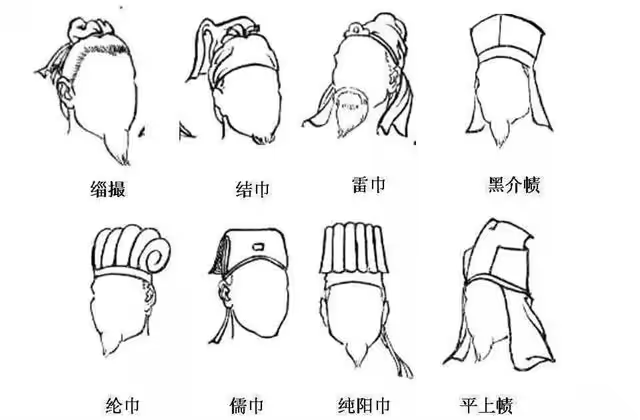
Apakah penutup kepala Hanfu?
Pakaian kepala Hanfu (perut kosong shǒu fú) merujuk kepada hiasan kepala tradisional daripada pakaian Cina Han kuno. Ini termasuk topi (Corona guān mào), balutan kain (tuala muka jīn zé), dan hiasan rambut yang berhias rumit. Penutup kepala adalah elemen yang tidak dapat dipisahkan dalam budaya Hanfu, melambangkan status, etika, dan kecantikan.
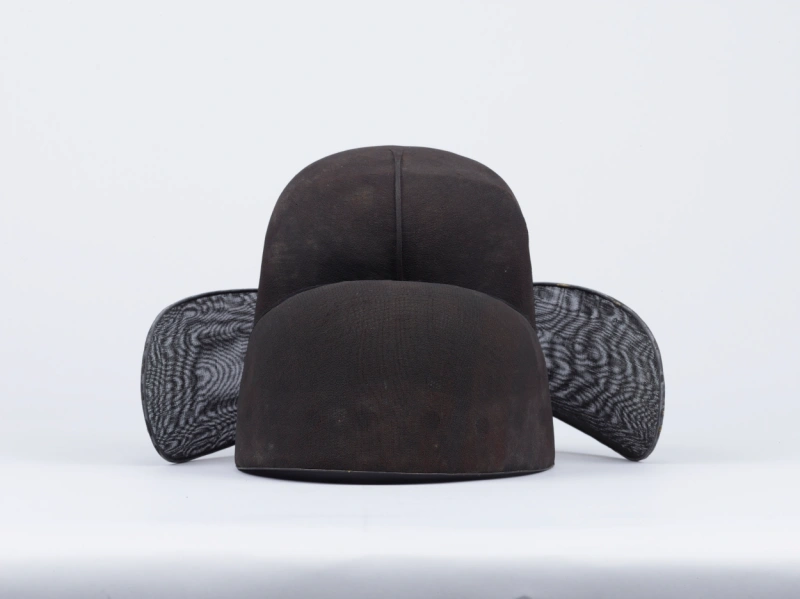
Topi Hitam (topi kasa hitam)
Kategori Utama dan Istilah
Untuk lelaki
-
mahkota (miǎn guān, mahkota upacara)
-
Topi perisai / bunga burung (jué biàn / què biàn, kepala upacara)
-
flap kulit (pí biàn, topi kulit)
-
Wei Bian (topi kulit yang dijemur di sisi)
-
kelopak mahkota (guān biàn, mahkota/penutup)
-
bangsawan bersenjata (topi ketenteraan)
-
Taji langit (tōng tiān guān, mahkota tinggi “mencapai syurga”)
-
Panjang mahkota (cháng guān, mahkota panjang)
-
Topi hitam (wū mào, topi kasa hitam)
Lelaki juga memakai penutup kepala yang diperbuat daripada kain:
-
seprai (fú jīn)
-
Tudung jaring (jaring logam, pembalut jaring)
-
Selendang Dongpo (dōng pō jīn, Dongpo wrap)
-
Tangjian (táng jīn, pembalut Tang)
-
Tudung Terbang (bunyi tembakan)
-
kain ulas (rú jīn, topi sarjana)
Setiap jenis mencerminkan fesyen dan hierarki. Sebagai contoh, mahkota (miǎn guān) dikhaskan untuk para empayar semasa upacara; Topi hitam (wū mào) adalah perkara biasa dalam kalangan orang biasa.
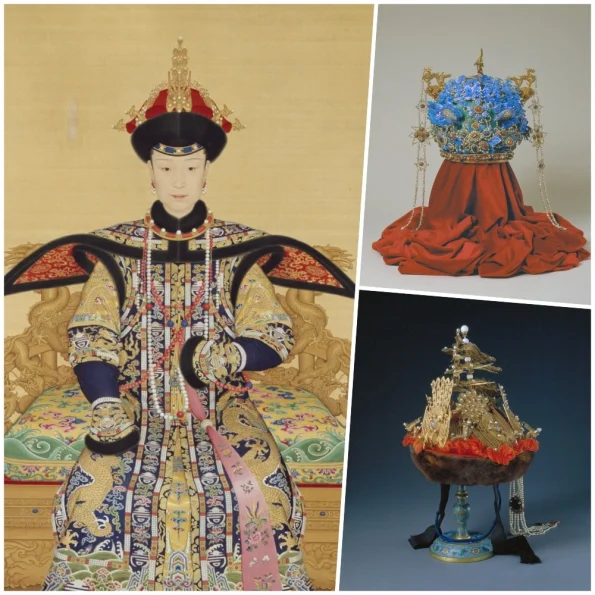
凤冠 (fèng guān, mahkota phoenix)
Untuk Wanita
-
Mahkota burung (fèng guān, mahkota phoenix)
-
Mahkota Intan dan Mutiara (zhū cuì guān, mahkota berhias permata)
-
簪 (zān, jepit rambut tunggal)
-
钗 (chāi, pin rambut berganda)
-
栉 / sisir (zhì / shū bì, sikat)
-
Hiasan sanggul (bù yáo, hiasan tergantung)
-
pelindung dahi (mǒ é, reben dahi)
-
wanita pejuang (jīn guó, topi kain untuk wanita)
-
sanggul tinggi (dí jì, bun gaya “Di”)
Aksesori rambut bukan sahaja hiasan tetapi juga mendedahkan status sosial dan citarasa peribadi.
Untuk Kanak-kanak
Untuk kanak-kanak, topi berwarna-warni (tuala dan topi jīn mào) dengan corak yang membawa tuah menjadi popular, melambangkan harapan dan berkat ibu bapa.
Maksud Sosial dan Budaya
-
Semasa upacara, para empayar dan bangsawan memakai mahkota (miǎn guān), mahkota upacara pangkat tertinggi yang melambangkan kuasa tertinggi.
-
Gaya rambut dan penutup kepala mencerminkan umur dan kedudukan sosial sejak zaman kanak-kanak.
-
Topi lelaki membezakan para sarjana (冠 guān) daripada pegawai (Topi pegawai topi sutera.
-
Bungkus kain dan topi yang praktikal sesuai untuk kehidupan seharian dan kerja di luar.
Adat Gaya Wanita
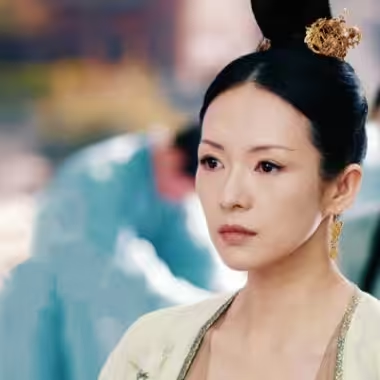
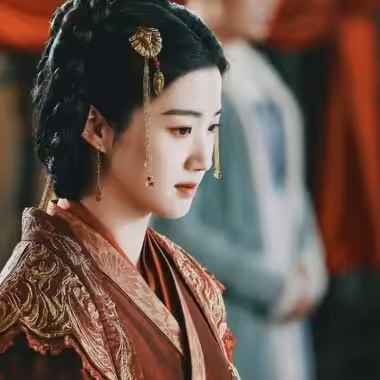
Rambut wanita disikat menjadi kepang dan dihias secara rumit dengan:
-
Manik mutiara (zhū huā, hiasan manik)
-
Hiasan sanggul (bù yáo, kepingan tergantung)
-
Qiuqiao (cuì qiāo, hiasan bulu pelatuk)
-
sisir mahkota (guān shū, sikat hiasan)
Setiap dinasti dan wilayah mempunyai aksesori kegemaran mereka sendiri, dan adat seperti memakai bunga sutera (bunga sutera juàn huā) dalam rambut menjadi tersebar, terutamanya di kalangan golongan bangsawan pada zaman Dinasti Ming.
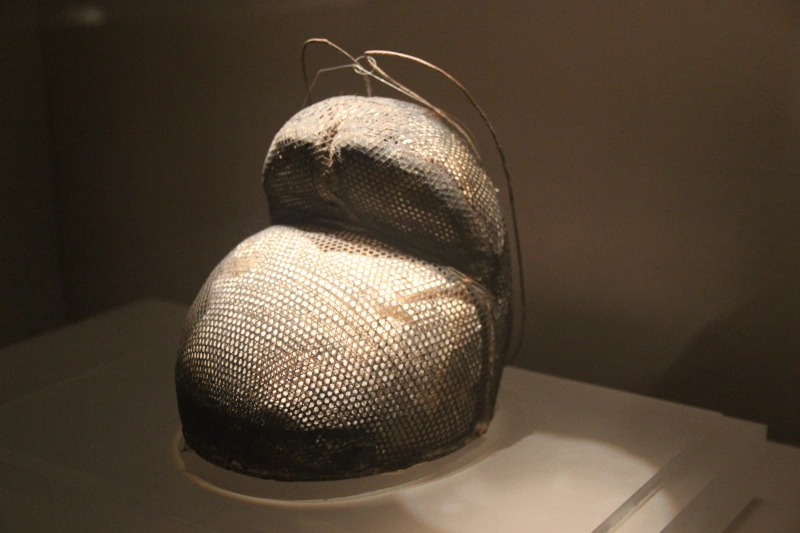
Futou wrap-襆头 (fú tóu) Zaman Tang–Song, balutan lembut harian
Contoh Jadual: Jenis-jenis Topi Hanfu
| Nama (Inggeris) | Nama Cina (Pinyin) | Nota |
|---|---|---|
| Futou balut | selendang kepala (muka bengis) | Tang–Song, balutan lembut harian |
| Futou empat penjuru | topi empat kaki (sì jiǎo fú tóu) | Gaya empat penjuru |
| Topi kasa hitam | pangkat (wū shā mào) | Dinasti Ming, topi rasmi |
| Mahkota Maharaja | mahkota (maaf) | Digunakan dalam upacara ritual utama |
| Mahkota Phoenix | Mahkota burung (pengurusan hal ehwal) | Hias, untuk Maharani dan para wanita istana |
| Zan (jarum rambut) | 簪 (wanita) | Biasa dalam gaya rambut wanita |
| Chai (jarum rambut) | 钗 (teh) | Berpangsi dua |
| Mo'e (riban dahi) | pelindung dahi (saya tidak) | Pita dahi, wanita |